
Homestead Rights in a Texas Probate Case
- posted: Nov. 17, 2024
When someone dies in the United States, there are often serious concerns about whether the decedent’s surviving spouse and children will be able to remain in their home. However, the Texas Constitution confers homestead rights on state residents, giving family members the chance to remain at the same location, even if their loved one’s estate is subject to creditor claims during the probate process.
Under Texas law, a homestead is defined as the primary residence of an individual or family. Real estate that qualifies as a homestead receives legal protections not accorded to other assets. When a homeowner in Texas passes away, their spouse and minor children usually cannot be forced to sell their homestead property in order to satisfy debts. This is true even when the bereaved family members do not have any other way to pay the balance on what is owed.
If the decedent was married, the surviving spouse is entitled to continue living in the homestead, regardless of whether the home was left to them in the will or not. This right, known as a "life estate," means that the surviving spouse can remain in the home until their death, at which point ownership of the property is transferred according to the terms of the will or state intestacy law.
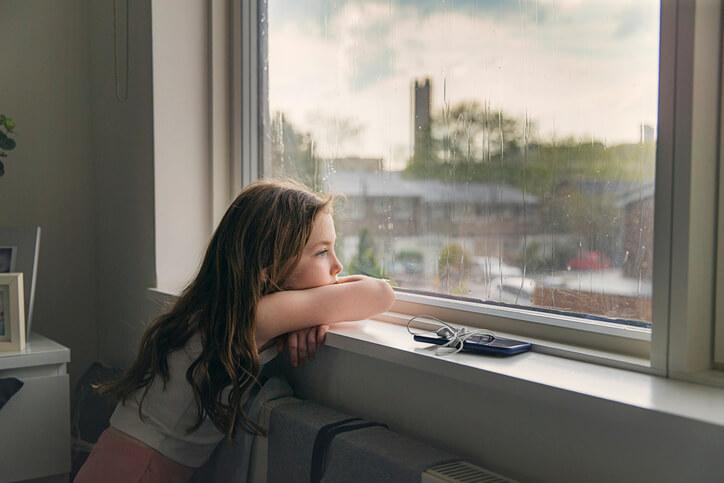
Likewise, homestead rights also apply when an unmarried parent dies while they have one or more minor children living in their home. In these situations, the youths are entitled to stay in the residence until they reach the age of majority. At that point, ownership of the home would pass to the designated heir(s) as in a standard probate proceeding.
Certain types of debts can be collected using proceeds from the decedent’s home, even if homestead protection normally would apply. For example, survivors might not be able to maintain their residence if there is a mortgage lien on the property. The government can also force a sale if property taxes have not been paid.
Additionally, if the homestead is sold during the probate process, the proceeds may be subject to distribution among heirs, but the surviving spouse or minor children may still have rights to a portion of the proceeds. Whether you’re planning your estate or are engaged in a probate matter that might involve homestead rights, your first step should be to speak with a knowledgeable lawyer.
The Law Offices of Kevan I. Benkowitz in Plano provides comprehensive counsel on Texas wills and probate matters, including issues related to homestead rights. Please call [ln::phone] or contact us online for a free initial consultation.
Homestead Rights in a Texas Probate Case
- posted: Nov. 17, 2024
When someone dies in the United States, there are often serious concerns about whether the decedent’s surviving spouse and children will be able to remain in their home. However, the Texas Constitution confers homestead rights on state residents, giving family members the chance to remain at the same location, even if their loved one’s estate is subject to creditor claims during the probate process.
Under Texas law, a homestead is defined as the primary residence of an individual or family. Real estate that qualifies as a homestead receives legal protections not accorded to other assets. When a homeowner in Texas passes away, their spouse and minor children usually cannot be forced to sell their homestead property in order to satisfy debts. This is true even when the bereaved family members do not have any other way to pay the balance on what is owed.
If the decedent was married, the surviving spouse is entitled to continue living in the homestead, regardless of whether the home was left to them in the will or not. This right, known as a "life estate," means that the surviving spouse can remain in the home until their death, at which point ownership of the property is transferred according to the terms of the will or state intestacy law.
Likewise, homestead rights also apply when an unmarried parent dies while they have one or more minor children living in their home. In these situations, the youths are entitled to stay in the residence until they reach the age of majority. At that point, ownership of the home would pass to the designated heir(s) as in a standard probate proceeding.
Certain types of debts can be collected using proceeds from the decedent’s home, even if homestead protection normally would apply. For example, survivors might not be able to maintain their residence if there is a mortgage lien on the property. The government can also force a sale if property taxes have not been paid.
Additionally, if the homestead is sold during the probate process, the proceeds may be subject to distribution among heirs, but the surviving spouse or minor children may still have rights to a portion of the proceeds. Whether you’re planning your estate or are engaged in a probate matter that might involve homestead rights, your first step should be to speak with a knowledgeable lawyer.
The Law Offices of Kevan I. Benkowitz in Plano provides comprehensive counsel on Texas wills and probate matters, including issues related to homestead rights. Please call [ln::phone] or contact us online for a free initial consultation.
